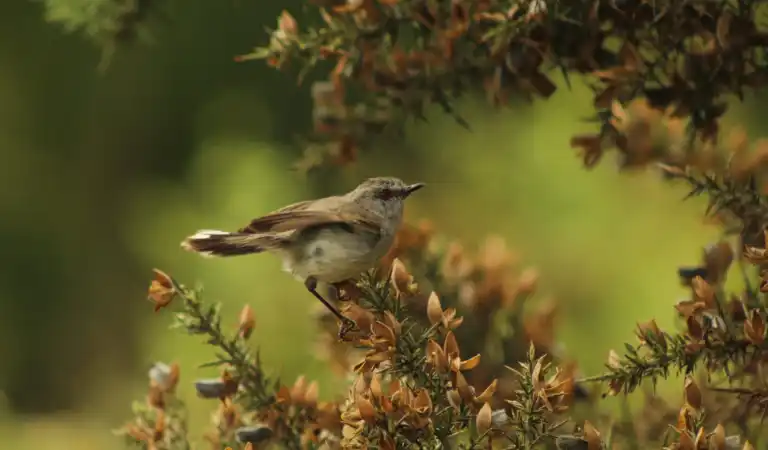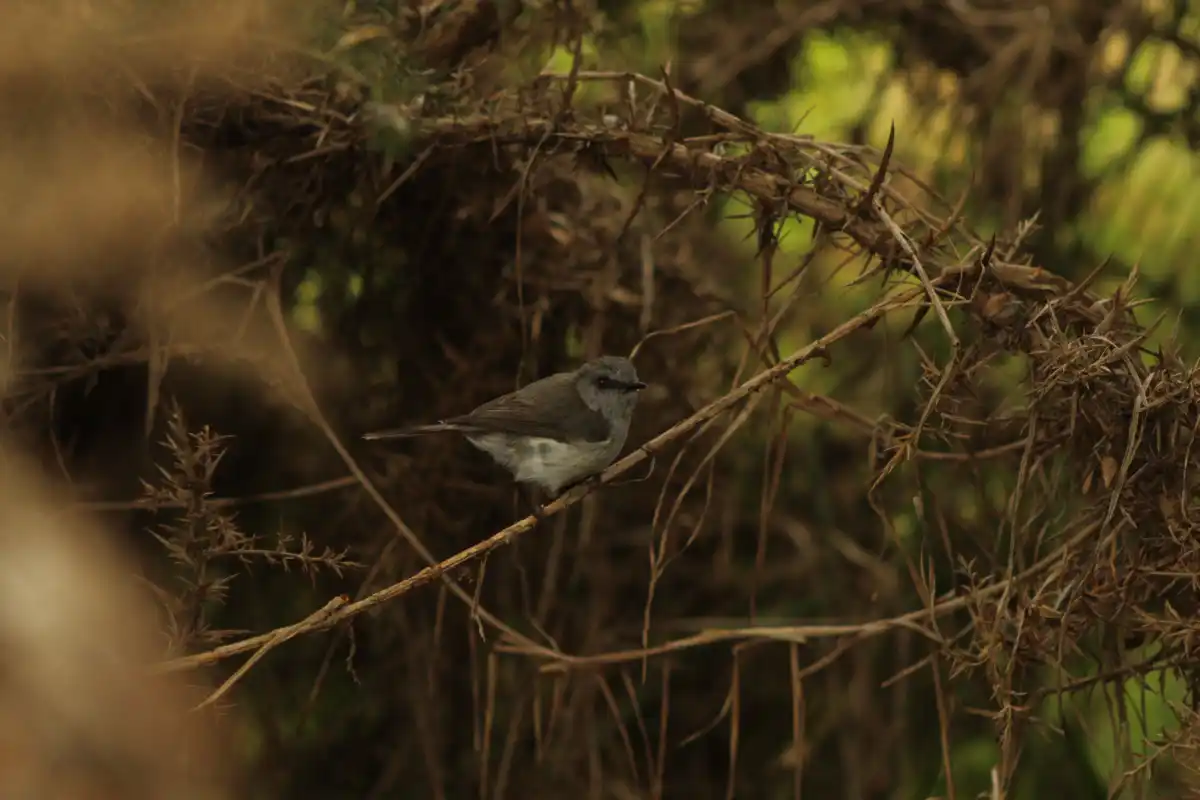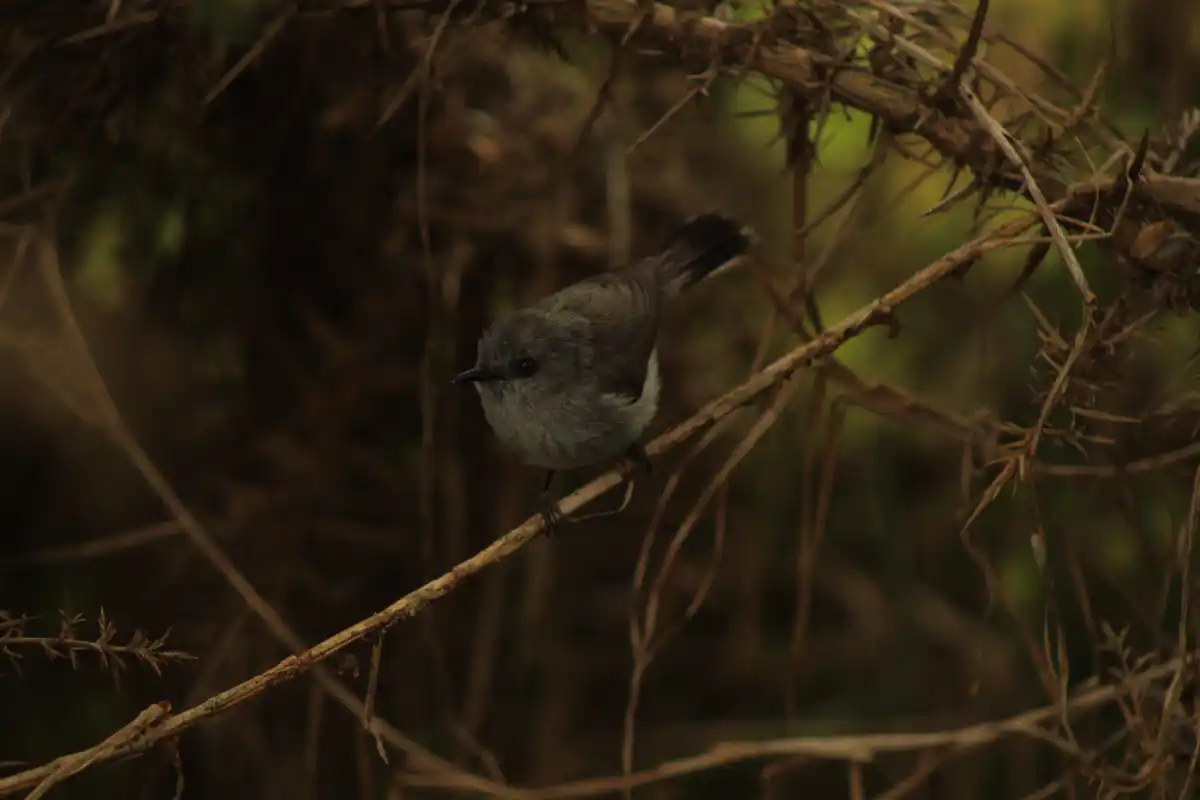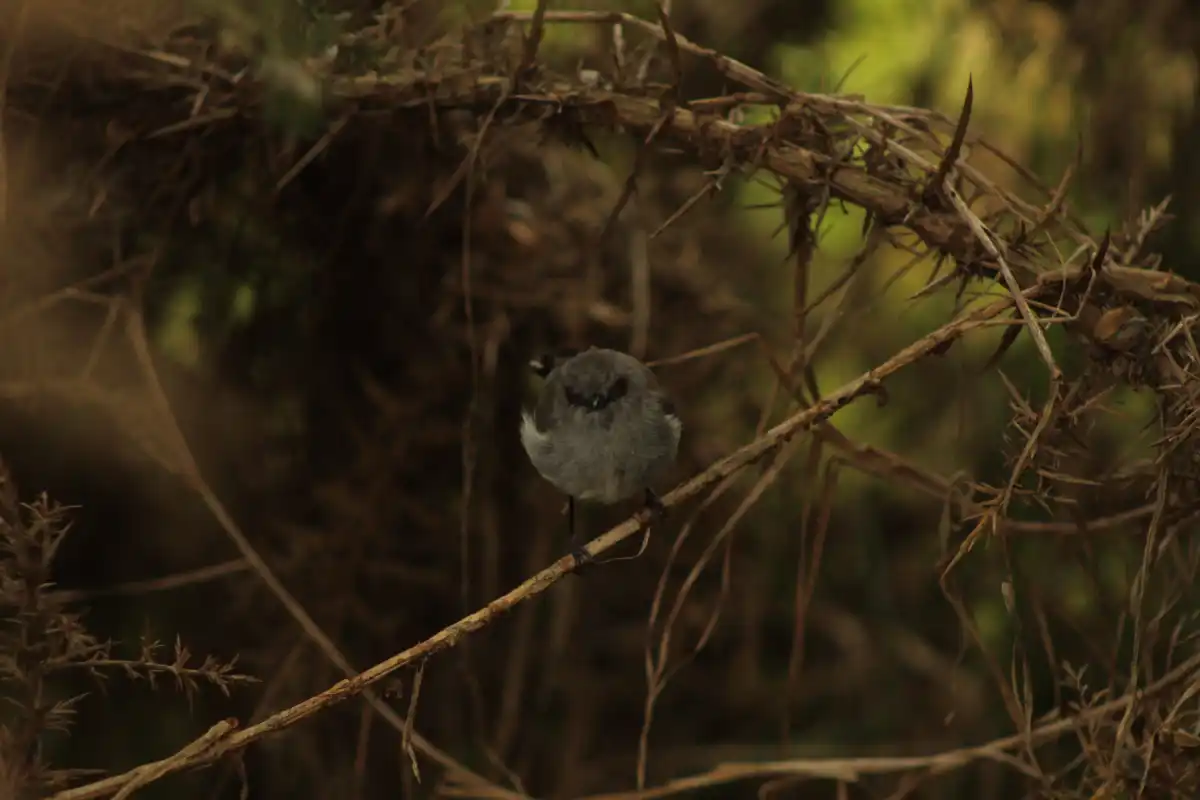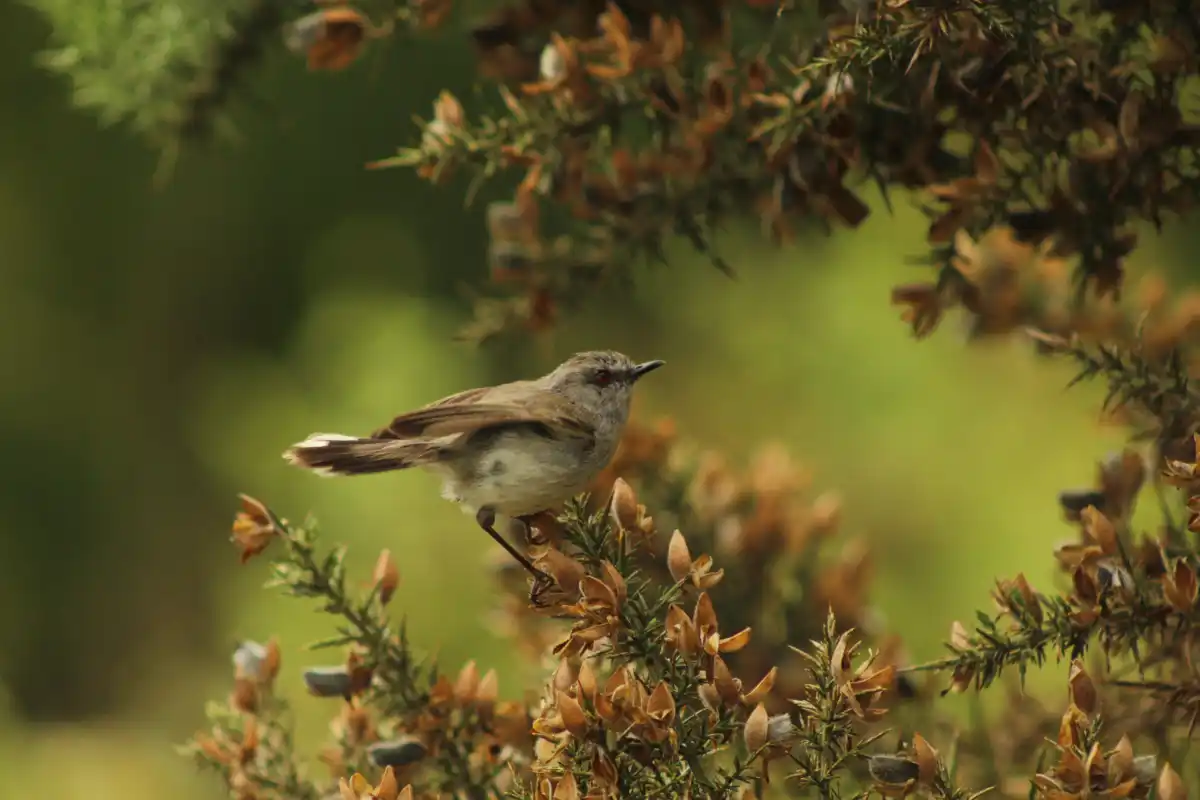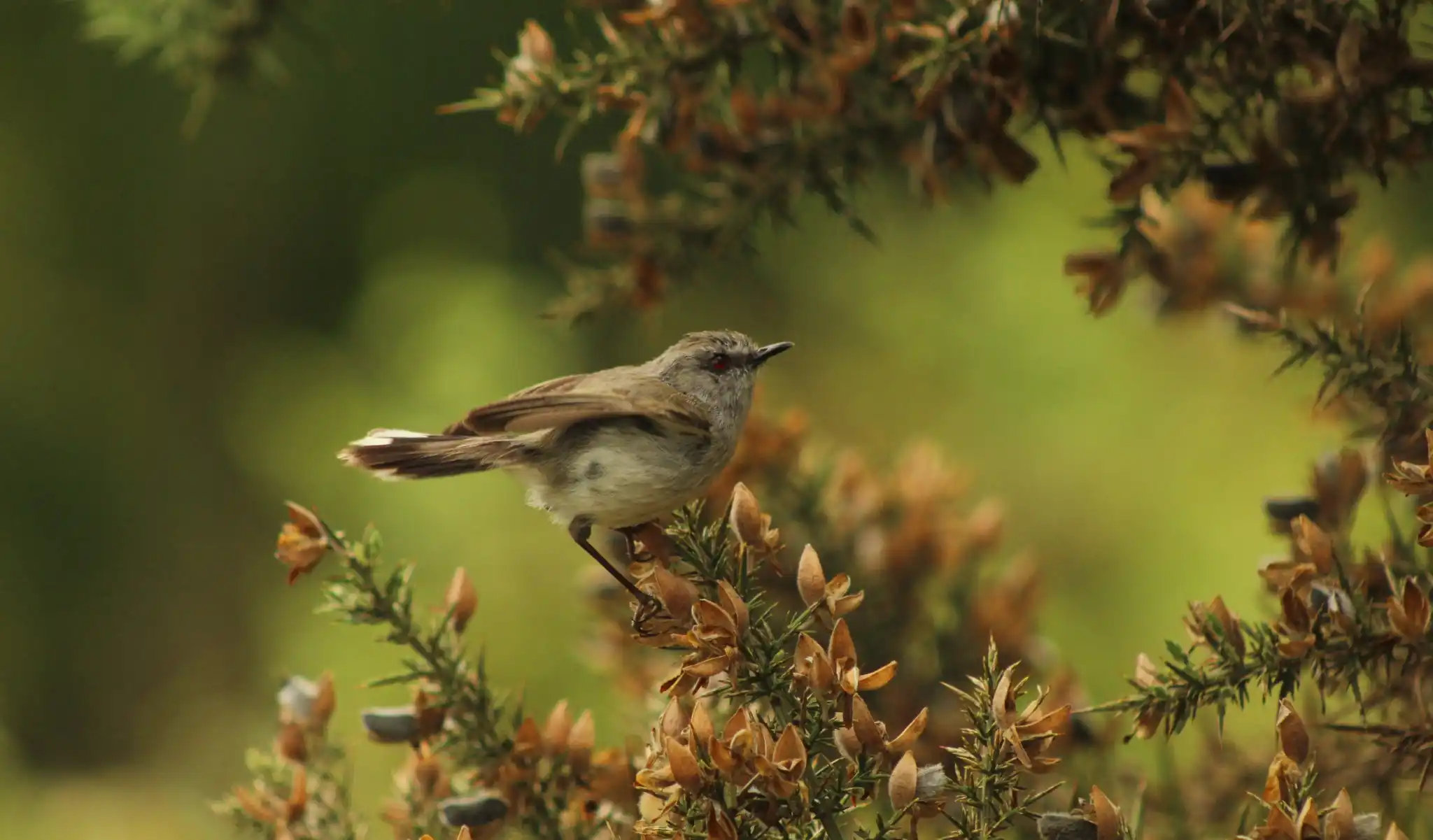
The Grey Warbler is a tiny olive-grey song bird often heard before seen, locations found on Waiheke are dense woody vegetation locations. The Warbler can be difficult to spot.
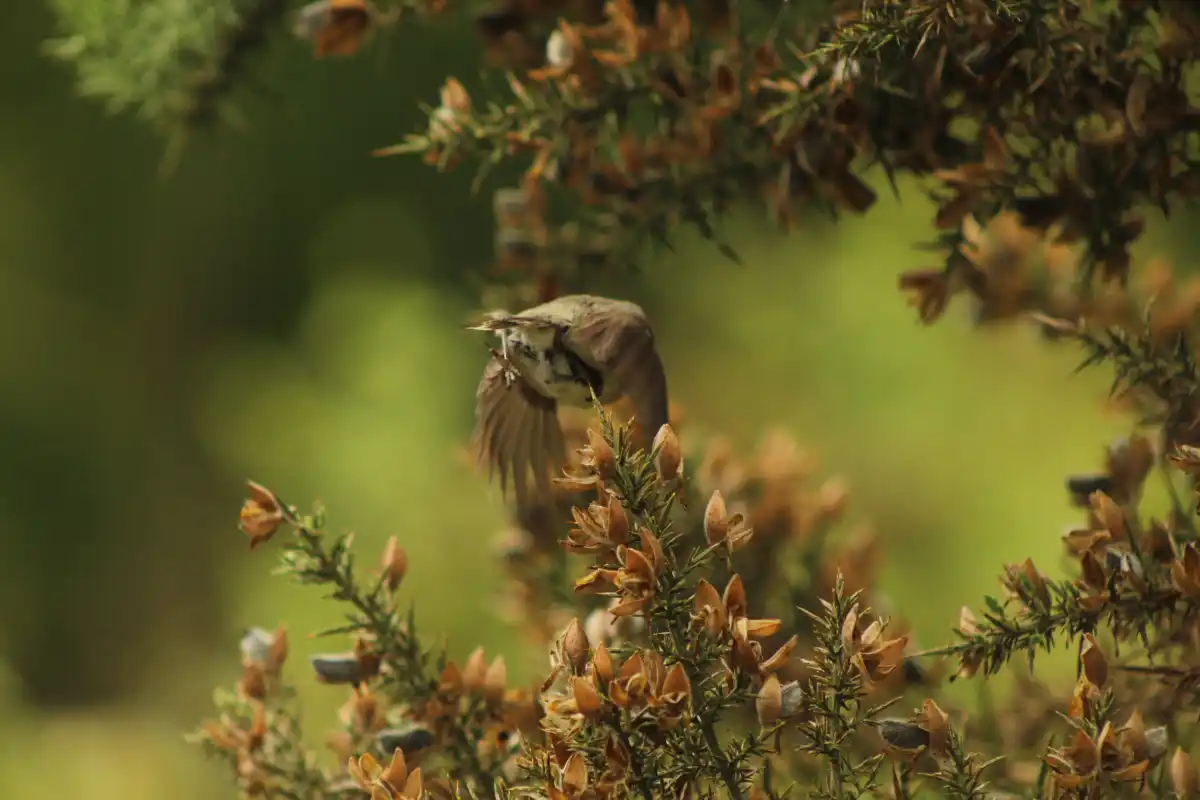
The grey warbler is a tiny, slim grey songbird that usually stays among canopy foliage. It is olive-grey above, with a grey face and off-white underparts. The tail is darker grey, getting darker towards the tip, contrasting with white tips to the tail feathers, showing as a prominent white band in flight. The black bill is finely pointed, the eye is bright red, and the legs are black and very slender. Grey warblers often catch insects from the outside of the canopy while hovering, which no other New Zealand bird does, making them identifiable by behaviour from a long distance.
The grey warbler have a characteristic long trilled song. The song is louder than expected, given the bird’s size. Only males sing, although females do give short chirp calls, usually as a contact call near the male. Nestlings and fledglings have a high pitched begging call. Begging calls are mimicked by their brood parasite, the shining cuckoo, while in the nest and as a dependent fledgling.
They are typically found only in woody vegetation, in mid to high levels of the canopy, making them difficult to observe.
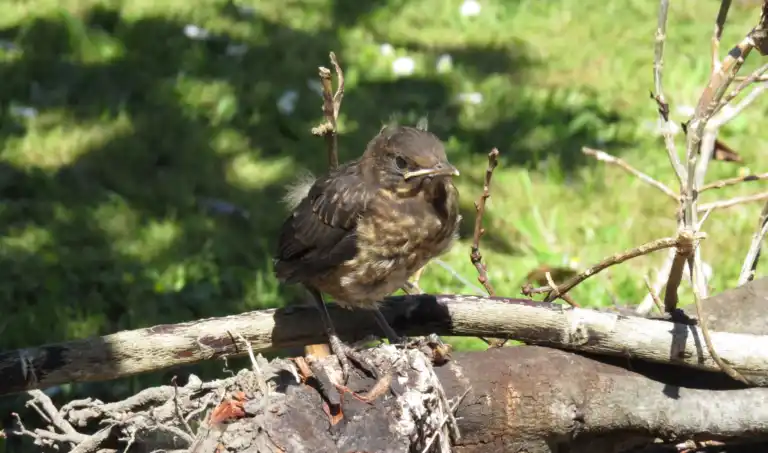
The Grey Warbler is a tiny olive-grey song bird often heard before seen. Locations on Waiheke are dense woody vegetations. The warbler can be difficult to spot.
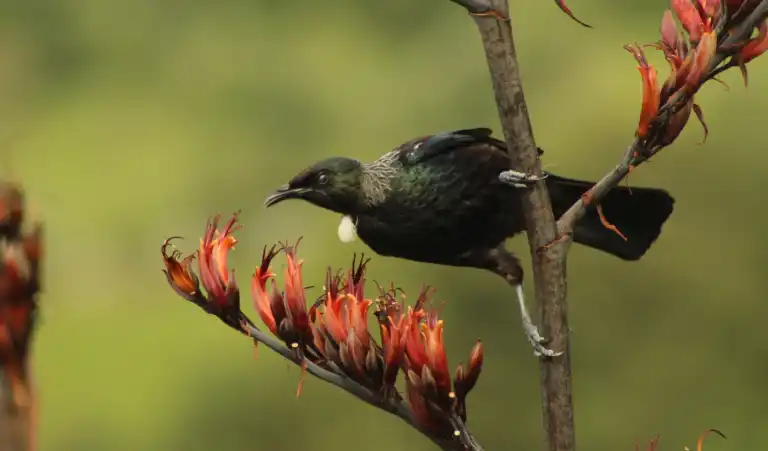
The Tui is a iridescent blue-green honeyeater with two curled white feather tufts on the throat. Locations found on Waiheke are around flaxes feeding off nectar.
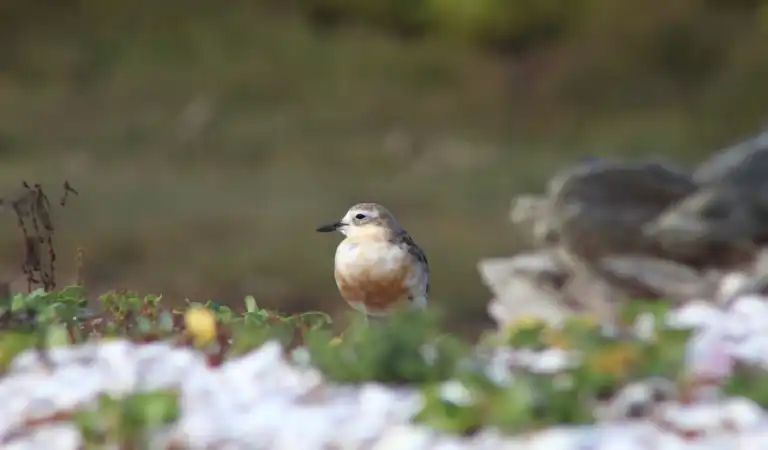
The New Zealand Dotterel is a shorebird which breeds on beaches in NZ's North Island. Locations found on Waiheke are Whakanewha, Anzac Bay and Blackpool.
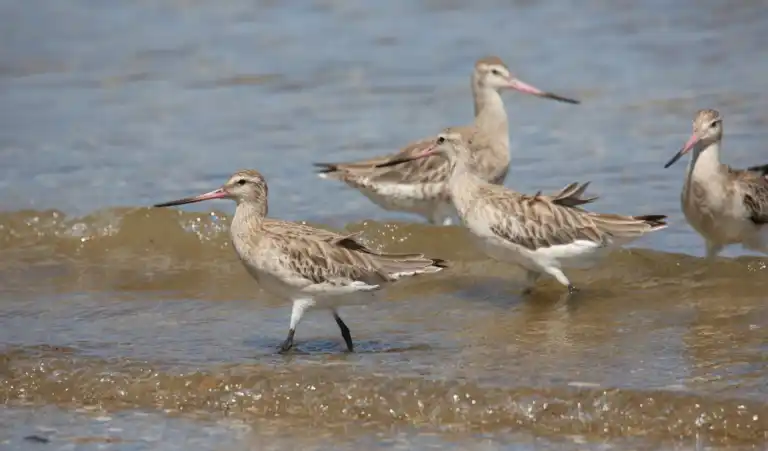
The Godwit is a migrant from Alaska, they fly 8-9 days straight to arrive in NZ. They can be found on Waiheke from September - March located at Blackpool.
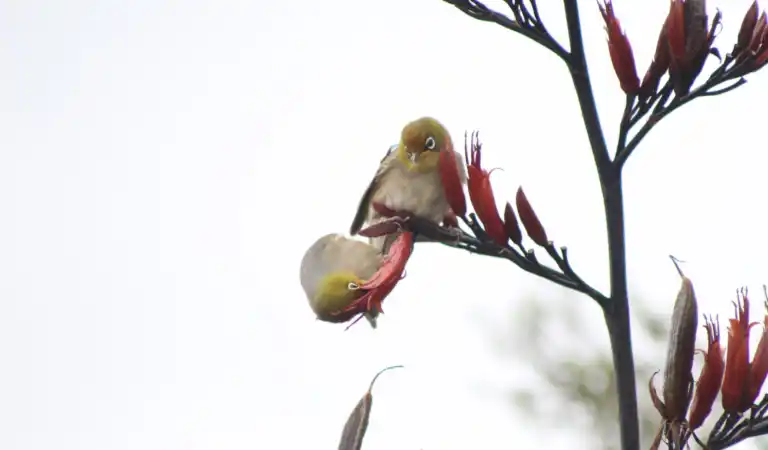
A small songbird, immediately recognisable by its distinctive white eye-ring. This quick little bird can be found feeding off flax and kowhais or fruit trees on Waiheke.
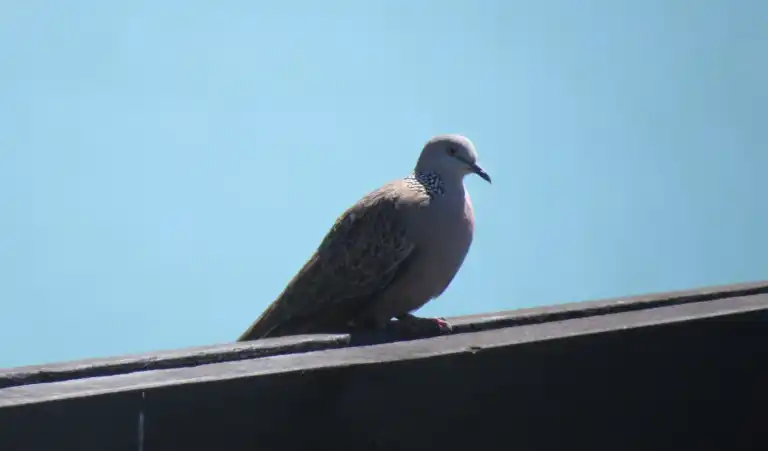
The spotted dove is a medium-sized, long-tailed dove, with a greyish head and speckled greyish brown upperparts. Found on Waiheke around gardens and the rooster reserve.
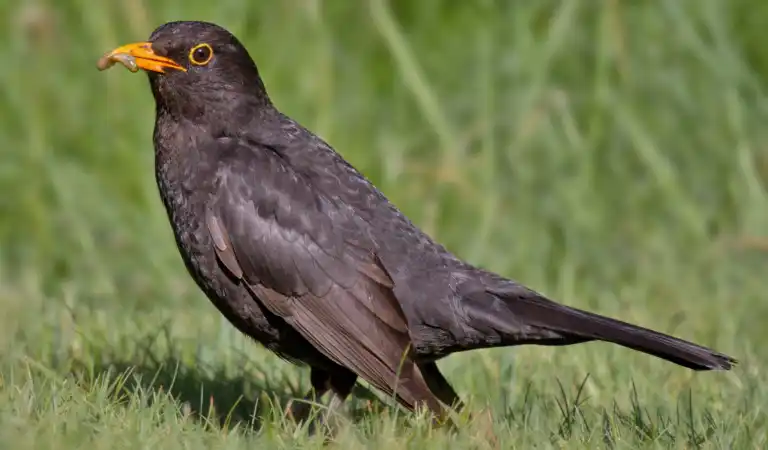
The black bird is a medium-sized songbird that is entirely black in adult males with a yellow bill. Abundantly found on Waiheke around household properties and trees.
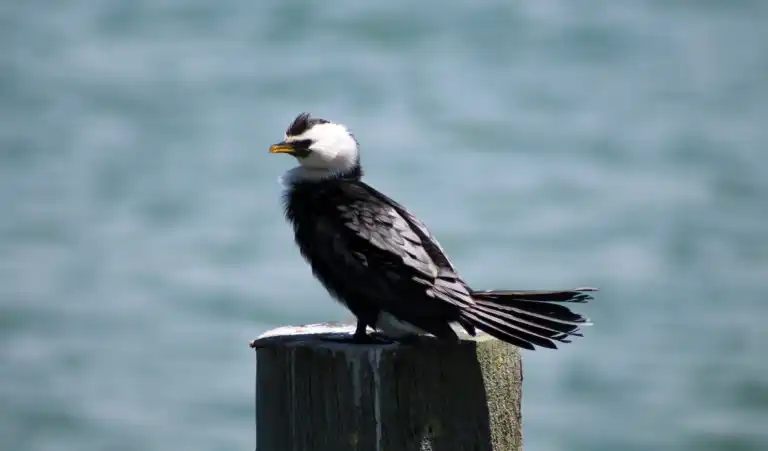
The little shag is a small shag, with a short yellow bill, black feet, a relatively long tail, usually spotted in the ocean searching for food or hanging around Waiheke…
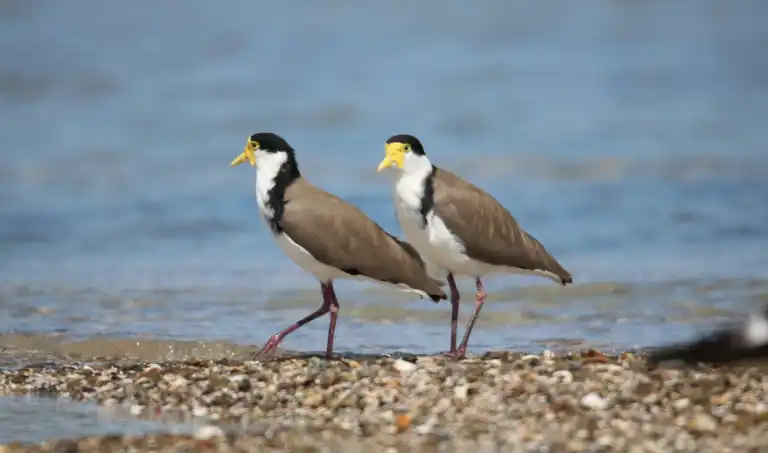
The Spur-winged plover is a large stocky wader with a yellow bill and spurs on each wing, locations found on Waiheke are Blackpool, Maori hill and Whakanewha.
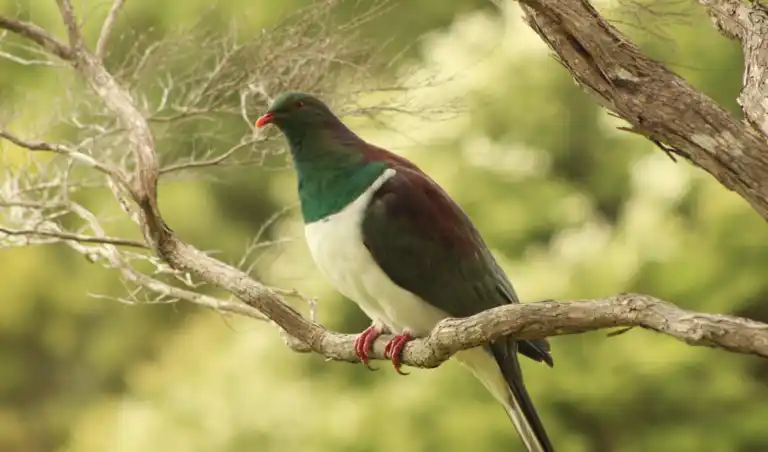
The Wood pigeon is a large distinctively-coloured pigeon, it is easy to find on Waiheke due to its size, they are usually perched on powerlines or trees.
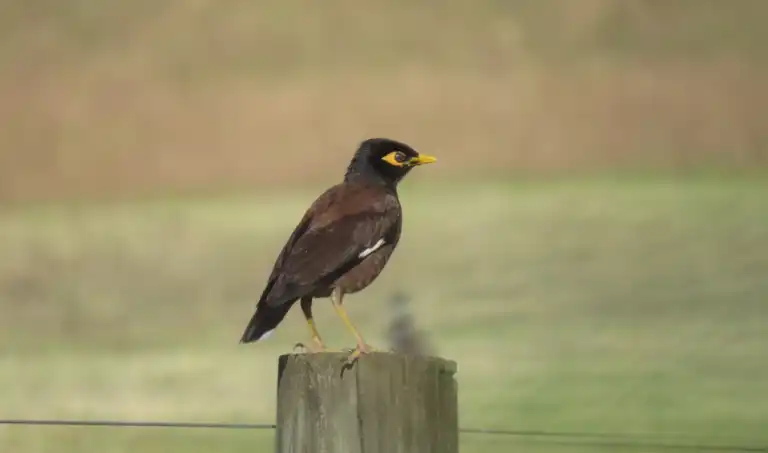
Mynas are stocky brown birds with a shiny black head and shoulders. Commonly found on road sides on Waiheke, usually playing chicken with cars while foraging for food.
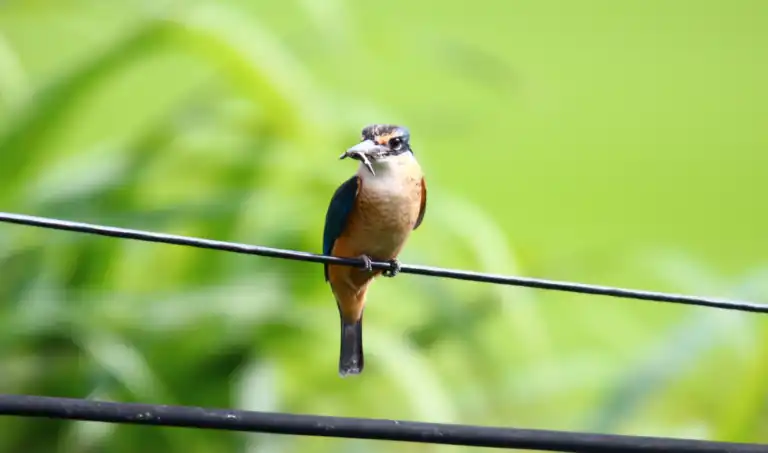
The sacred kingfisher is a distinctive bird with a green-blue back, buff to yellow undersides and a large black bill. they can be found nearby tidal beaches on waiheke.
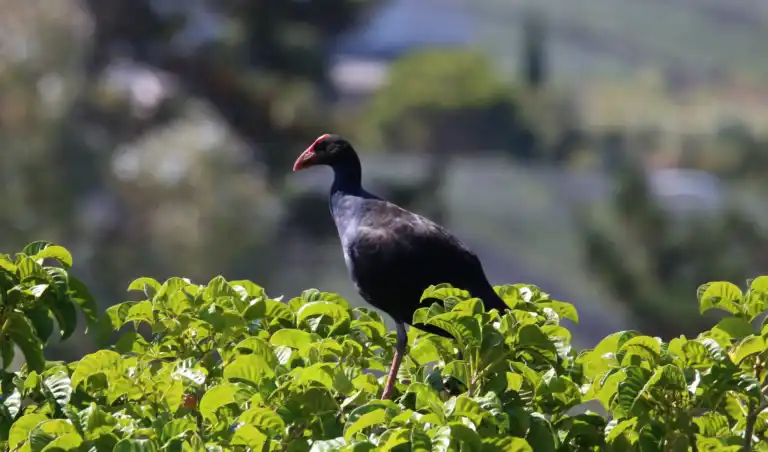
The Pukeko is a large relatively compact rail with a deep blue-violet head, breast and throat and a red bill. Found in swamp/Mangrove areas of Waiheke Island.
The thrush is a medium-sized songbird with a speckled brown-on-cream breast, usually heard before it is seen, found in grass reserves, gardens and trees on Waiheke.
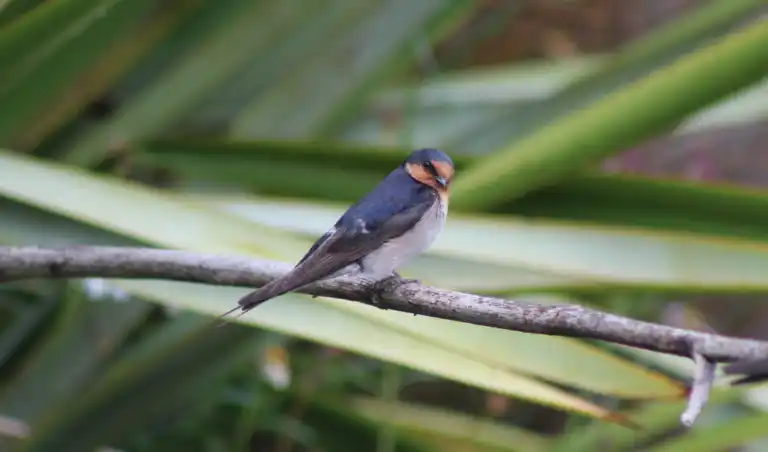
Welcome swallows are small fast-flying birds, they are usually seen around waiheke during breeding season between August and February on powerlines, fences and beaches.
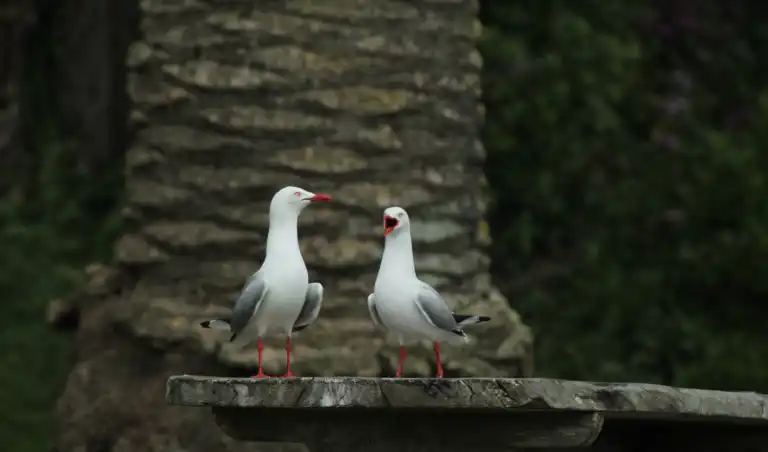
The red-billed gull also known as a "Seagull" is common around New Zealand Coasts. Located everywhere on Waiheke beaches where food or bait is readily accessible.
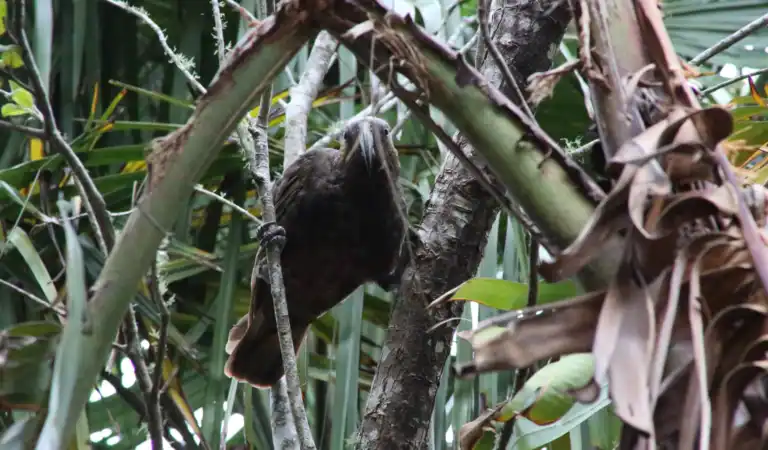
The Kaka is a large, olive-brown parrot with grey-white crown, red-orange underwing and deep crimson belly, located in tree covered areas around Palm beach and Onetangi.
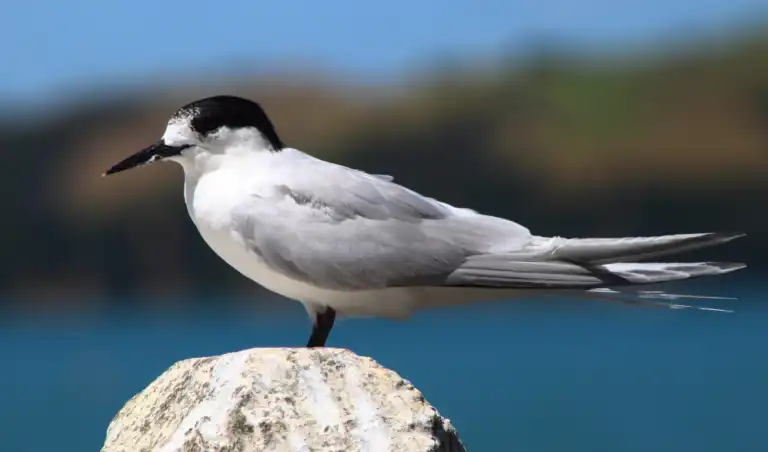
The white-fronted tern is a medium-sized, long-tailed sea tern commonly around New Zealand coasts. Spotted congregating on Waiheke wharfs such as Matiatia and Orapiu.
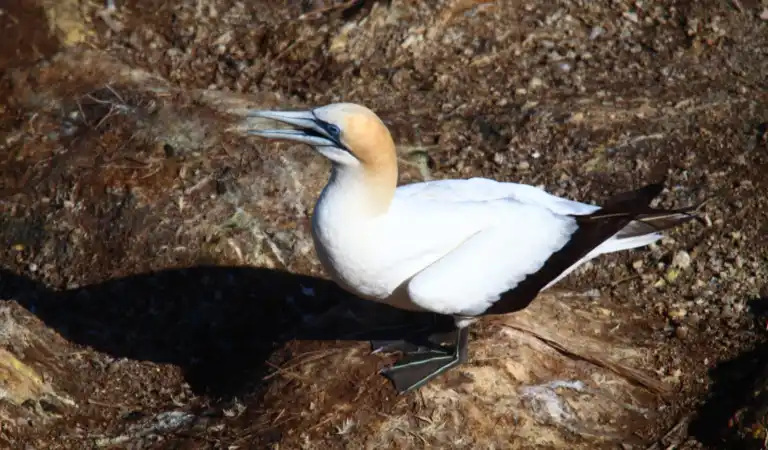
The gannet is a large slender-bodied seabird with mainly white plumage, buff-yellow head and neck. Occassionally seen around Waiheke searching for food in ocean depths.
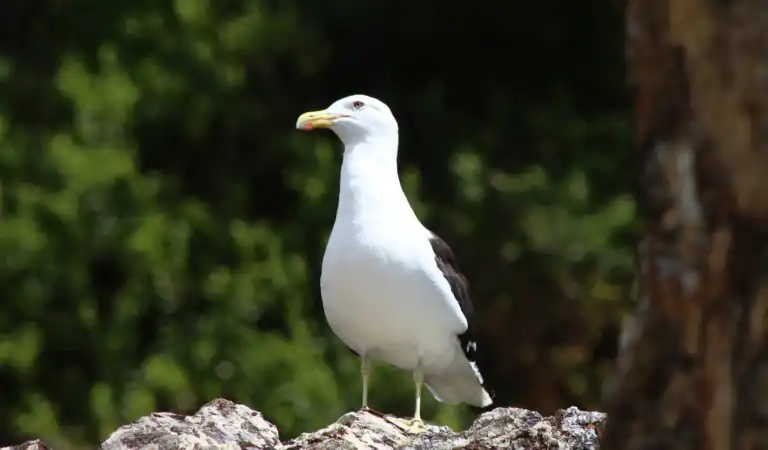
The Black-backed gull is a large black-and-white gull with a white head and underparts, black back, yellow bill with a red spot near the tip. Located on Waiheke beaches.
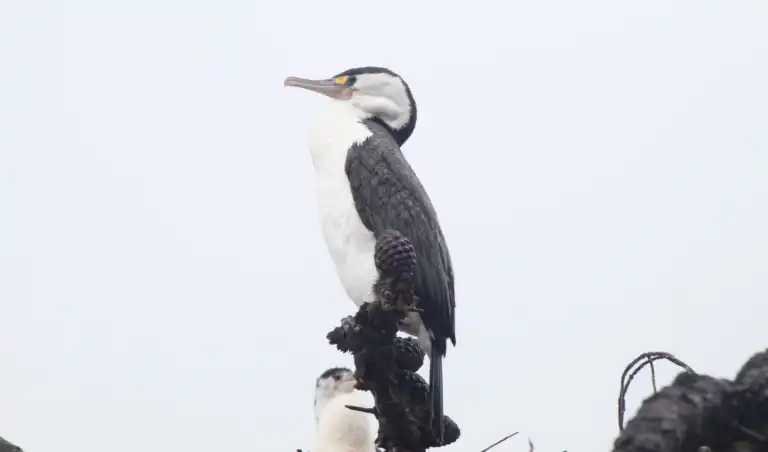
This large black-and-white shag is often seen individually or in a group, usually spotted in the ocean searching for food or hanging around fisherman by the rocks of Waiheke.
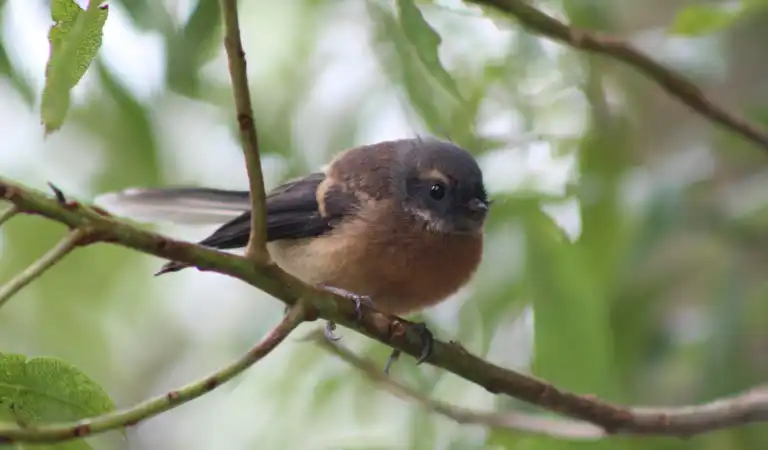
The Fantail is a well known NZ bird due to its distinctive fanned tail. Locations found on Waiheke are any well-treed parks, bush walks and even properties.
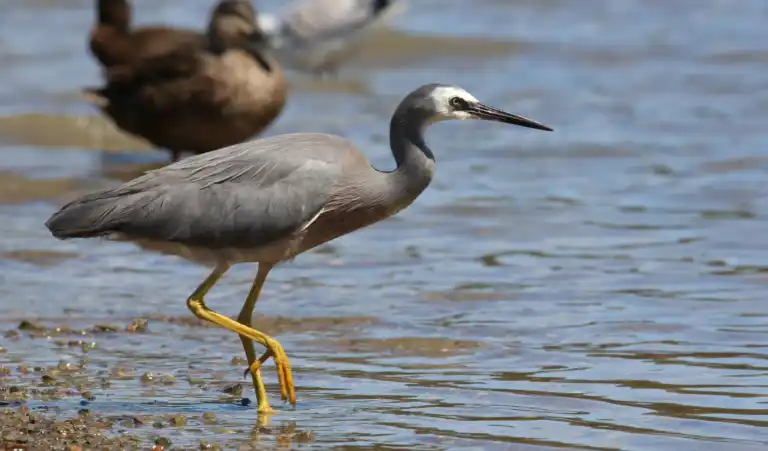
The white-faced heron is a tall, elegant, blue-grey bird usually spotted stalking prey. Locations found on Waiheke are Mangroves, Anzac bay and quiet beaches.
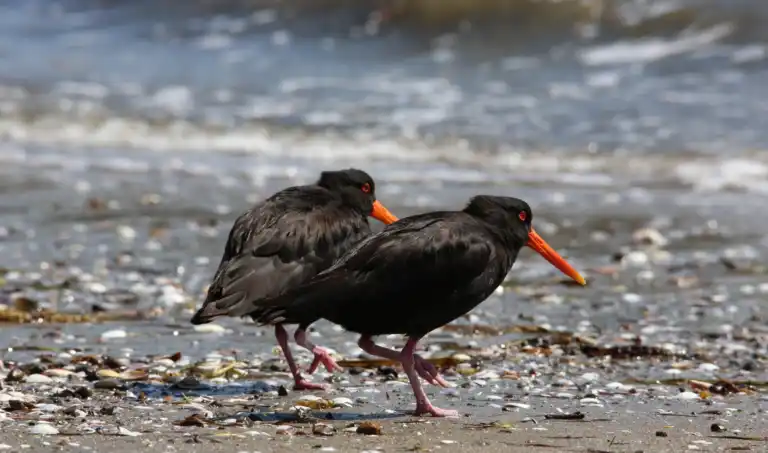
The variable oystercatcher is a stocky coastal bird with a long, bright orange bill, it is located on many quiet beaches such as Blackpool, Whakanewha and Anzac bay.
Breeding
Grey warblers breed in spring and summer, typically from August to January, but can be as early as July and as late as February.
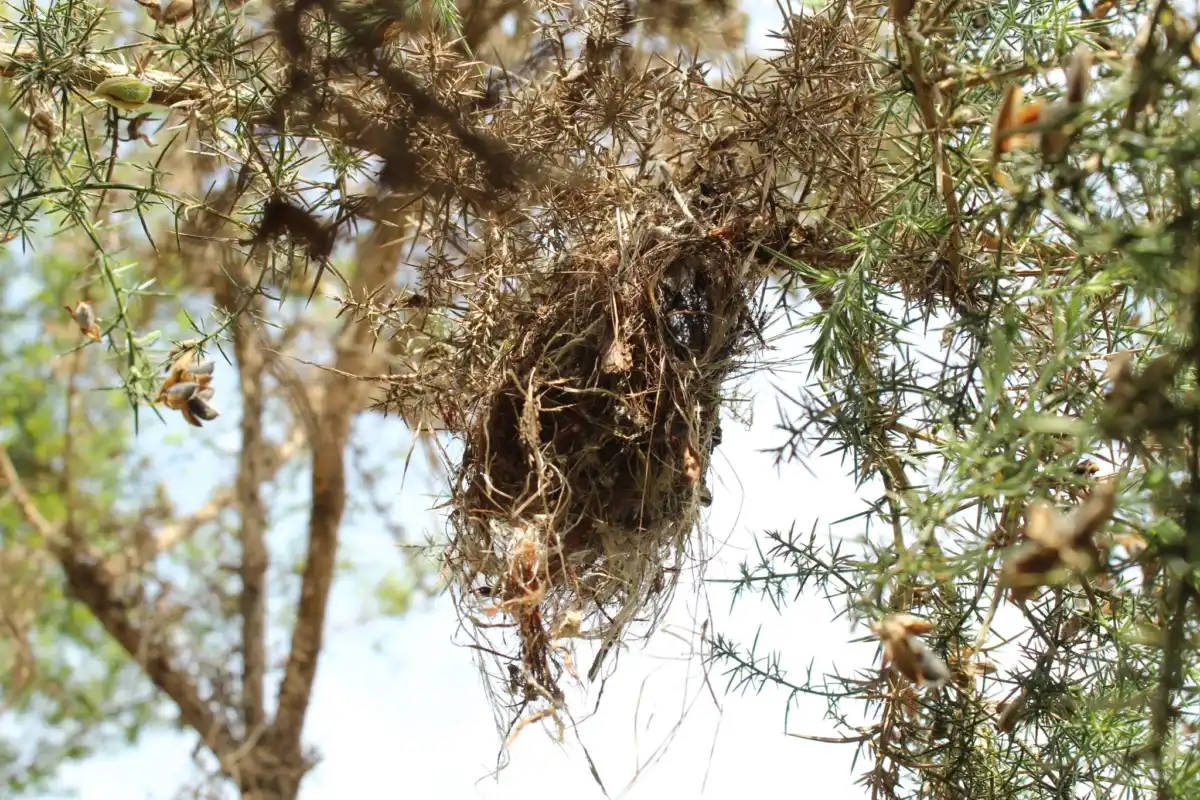
The nest is a hanging enclosed dome, usually found in the outer branches of the canopy, 2-4 m off the ground. Nests are usually placed in tree species with smaller leaves, such as manuka, kanuka and Coprosma. The nest Interior is lined with soft material such as wool, hair or feathers.
Females lay 3-5 eggs per clutch. Eggs are white with reddish brown speckles concentrated towards the blunt end.
Grey warblers are the only mainland host for the brood parasitic shining cuckoo. The female shining cuckoo removes a single egg from the clutch, replacing it with her egg. No egg rejection behaviour is shown by the grey warbler. After hatching, the cuckoo chick ejects all grey warbler eggs and/or nestlings from the nest and is raised alone.
Food
Caterpillars, flies, beetles, moths and other small invertebrates.
They are typically seen foraging on the bark of trunks and branches of trees, or hovering just outside the canopy while they glean insects from the outer leaves.
Waiheke Locations
I was fortunate to spot one flying around on a farm property while I was clearing some gorse so I grabbed a few photos.
Grey Warblers are flying birds they are not just on Waiheke, they can be found in other areas of New Zealand. these are just areas I’ve spotted them on Waiheke and photographed.
Gear Grab is a hire shop on Waiheke, they have a wide range of everyday gear. Their store consists of party, gaming, outdoors, household, tech and more.
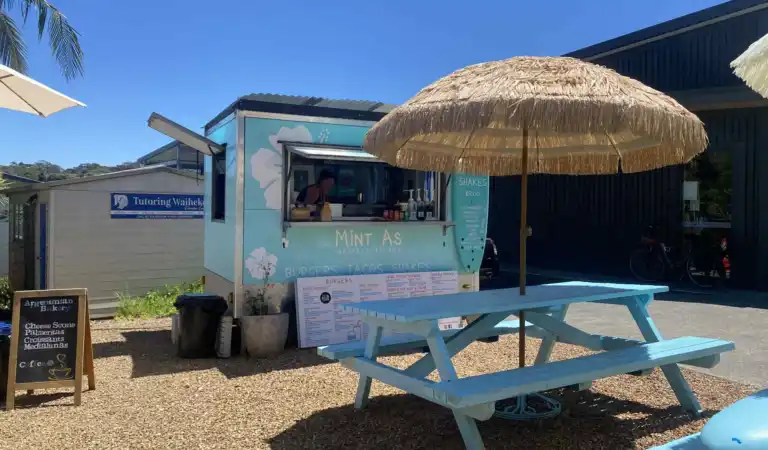
Mint As is a popular burger cart located in Ostend, next to RAW fruit and vege, they serve juicy burgers, taco’s and milkshakes all made while you wait.
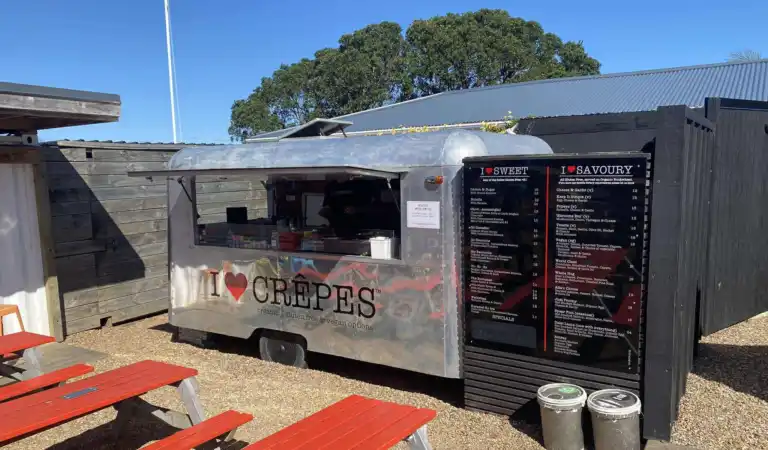
They serve delicious gourmet sweet and savoury crepes (galettes) in front of you while you wait. They use all fresh ingredients and accommodate for all dietary needs.
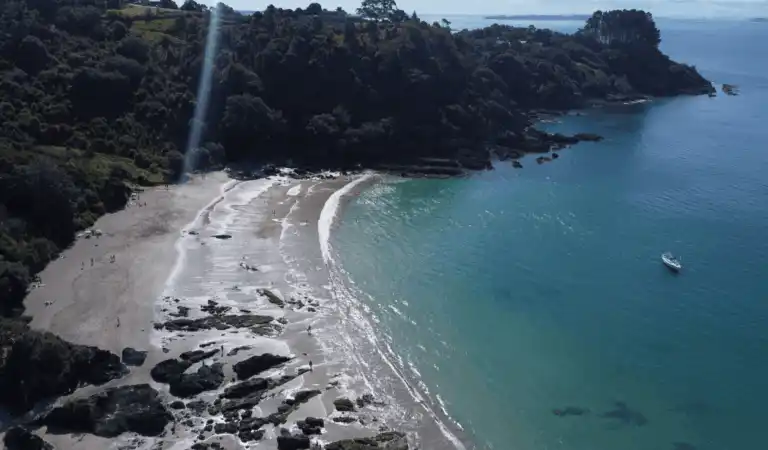
Little Palm also known as “Nudie Beach” is a nudist beach located on the western side of Palm Beach. It is Waihekes only beach where its safe to swim and sunbathe naked.